
My name is Bénie Lokika. I am a U-Reporter with UNICEF and a
Congolese refugee living in Uganda. For many years, the word refugee felt
heavier than my name. It felt like a label that entered the room before I did.
It spoke of loss before anyone could see my potential. Being a refugee meant
losing home, familiarity, and the comfort of knowing where you belong.
Sometimes it felt like losing identity. There were days I felt invisible in
crowded spaces. Days I quietly wondered whether my voice even mattered.
Yet I always cared deeply about my community. I saw young people
struggling. Girls dropping out of school. Boys losing hope. Families facing
harmful practices like FGM. Children affected by climate change and poverty. I
saw pain, but I also saw potential. I wanted to speak, but I did not know where
my voice belonged. Then I discovered U-Report.
At first, it seemed simple. Polls sent to my phone about education,
health, protection, and youth issues. I would answer quietly and press send.
But each response meant something. I was participating in decisions. I was
shaping conversations. I was being counted. For the first time, I was not just
a refugee receiving services. I was a contributor. A voice.
Out of the 1.9 million refugees in Uganda, I was nominated to
represent refugees in the United Nations Youth and Adolescent Program. That
moment changed how I saw myself. I received training in leadership, advocacy,
monitoring, and evaluation. I traveled to districts like Yumbe, Kiryandongo,
and Lamwo to monitor youth programs. A refugee girl who once questioned her
worth was now sitting in meetings, speaking to leaders, and contributing to
decisions that affect thousands.
In 2024, I attended the U-Report Training of Trainers and was
shortlisted to travel to Jinja to form a Community of Action supporting the
polio campaign. I learned that leadership is not about standing in front of
people. It is about standing for people.
I co-facilitated Human-Centered Design and Social and Behavior
Change trainings organized by UNICEF and the Ministry of Health. At first, my
hands trembled when I spoke. But I spoke anyway. Each time, the fear became
smaller.
In 2025, I attended FGM trainings organized by UNICEF and UNFPA and
was deployed to Karamoja to help form a Community of Action working toward an
FGM-free community. The girl who once felt powerless was now helping protect
others.
I also monitored the Gender for Development Uganda program in Yumbe,
advocating for girls’ enrollment, retention, and completion in school. I
participated in climate change dialogues, documenting how environmental changes
affect children’s lives. I traveled to Nakivale refugee settlement to launch
FunDoo, ensuring young people could access digital financial education.
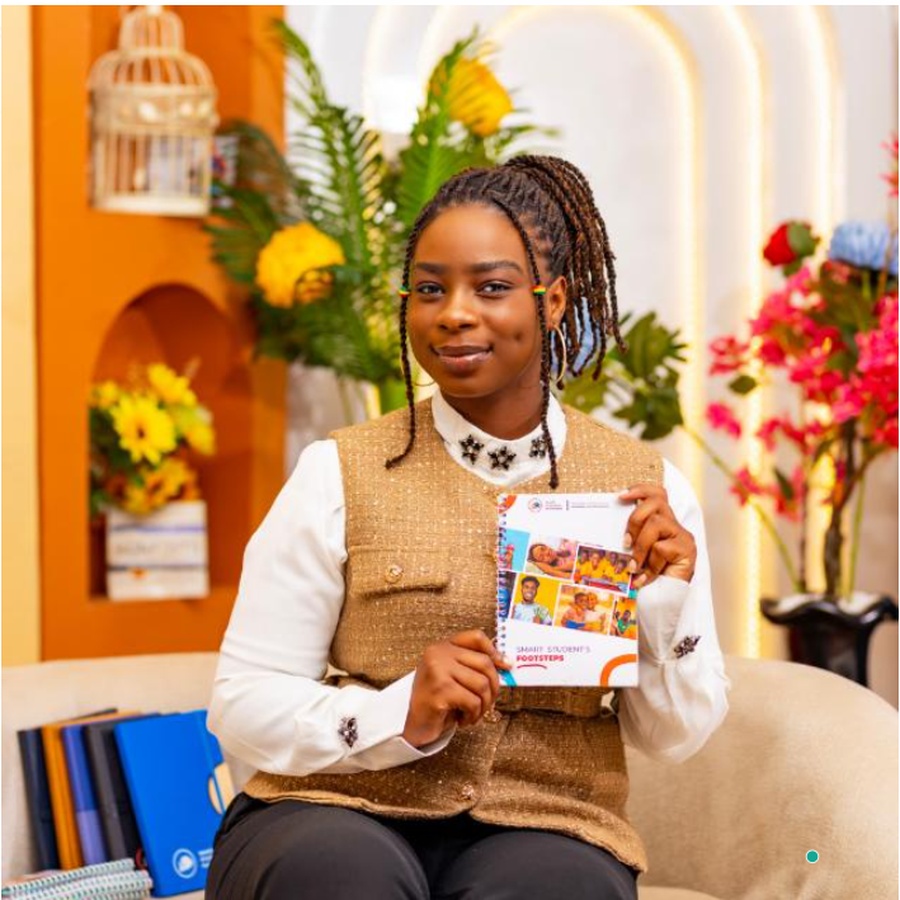
Through life skills training organized for U-Reporters, I developed
Smart Student Footsteps, a tool to guide students in focus, discipline, and
intentional growth. What began as learning became creation.
I have facilitated life skills training for children of UNICEF
staff. I have supported data entry for the ICT Needs Assessment, contributing
to evidence-based decision-making. Even behind-the-scenes work shapes change.
Over time, something shifted within me. I stopped introducing myself
as just a refugee. I began introducing myself as a leader and an advocate. The
greatest change in my life is not the travel or the meetings. It is the
transformation within. I moved from silence to strength and from invisibility
to impact.
Today, I speak not only for myself, but for every refugee who has
ever felt unseen. U-Report did not erase my past, but it changed how I see my
future. When young people, even refugee girls, are given a platform and trusted
with responsibility, they rise. And when they rise, they lift entire
communities.